电影制作人玛吉·金蒙斯 (Margy Kinmonth) 邀请威尔士亲王殿下踏上一段历史之旅,颂扬其家族的艺术基因,并揭秘一系列出自古今皇室之手的非凡作品,其中不乏技艺精湛的艺术家。影片以皇家庄园的壮丽景色为背景,深入探讨了几个世纪以来皇室成员的创作以及威尔士亲王本人的水彩画作,探索了一幅幅充满私密家庭记忆和观察的缤纷画卷。
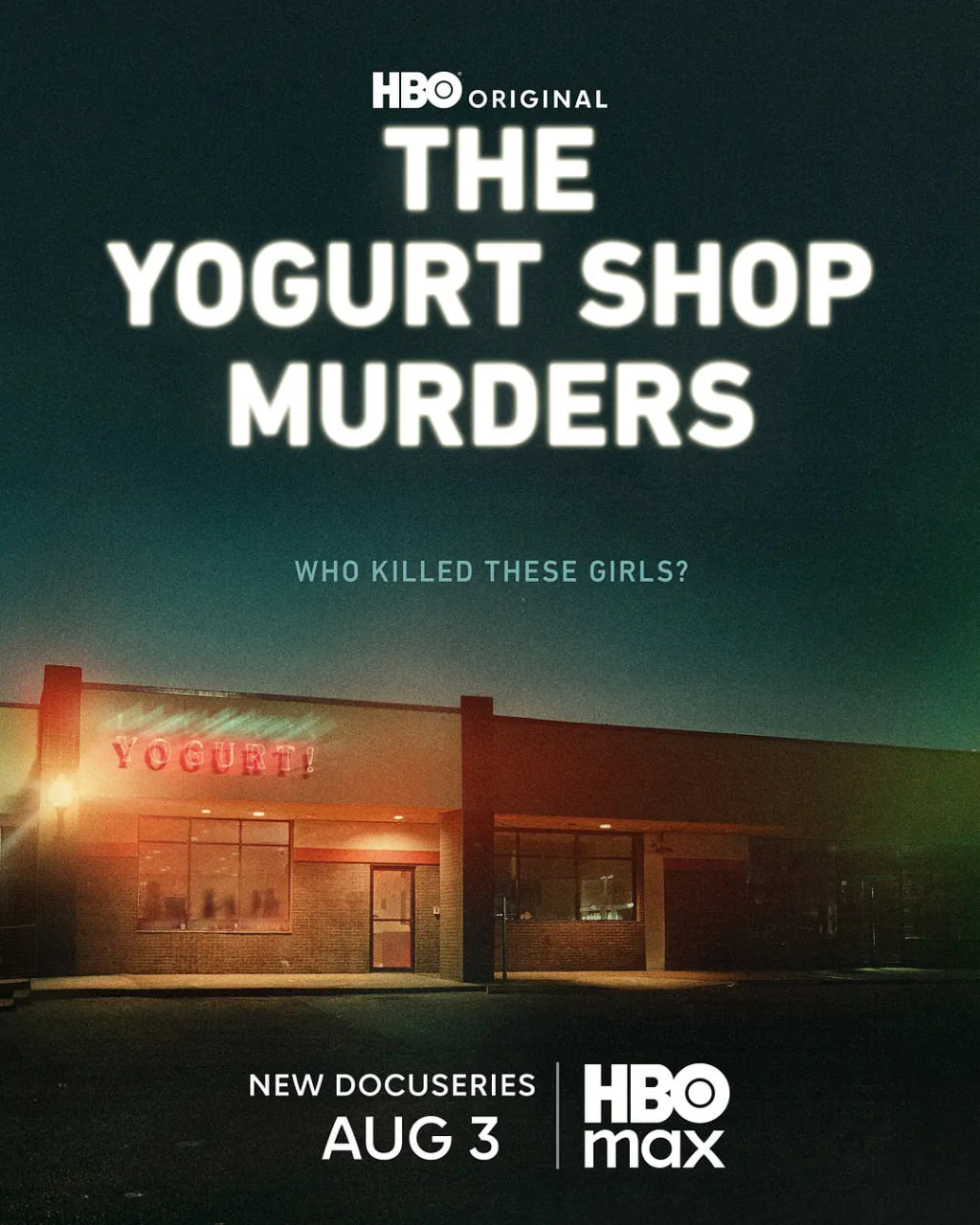
1991年,四名少女在奥斯汀一家冷冻酸奶店惨遭杀害。当晚发生的事情至今仍困扰着警方、受害者家属和整个城市。本系列将探讨这起悬案留下的复杂谜团和创伤。
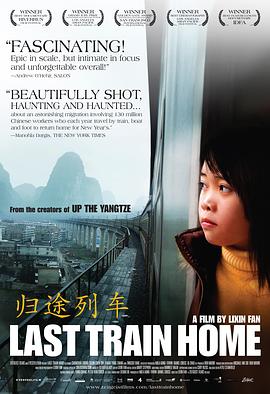
本片获得《青年电影手册》2011年年度纪录片大奖。 本片获得阿姆斯特丹国际纪录片电影节的VPRO IDFA奖。 1990年,家住四川广安区回龙村的张昌华(张昌华 饰)和陈素琴(陈素琴 饰)两夫妻为了能让家里过上更好的日子,也为了让张琴(张琴 饰)和张阳(张阳 饰)姐弟能 接受良好的教育,有朝一日可以摆脱像他们一样在农村的艰苦生活,毅然离开一对幼年的双子女去广州打工。他们辛苦的赚钱往家里寄钱,几年才能回去和家人团聚一次过一个年。平时只能姥姥生活的姐弟对他们早已产生了生疏感和冷漠。但女儿张琴像很多这个年纪的叛逆少年一样,不听劝告毅然退学,重蹈了父母的覆辙,从村里离家去广东打工……
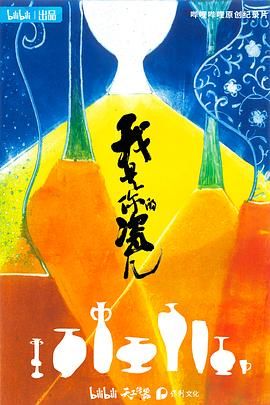
以中国手工瓷装饰历史为脉络,以瓷器的颜值为贯穿点,通过讲述手工瓷器之美,拉近我们与瓷儿的距离。从简单的单色釉,繁衍到五彩交融的各类装饰,青花、斗彩、五彩及现代创新装饰等,依托手工瓷器发展时光轴,次第登场。
当不少人以为《脸庞,村庄》(2018)是瓦尔达退休前最后杰作,她连奥斯卡终身成就奖亦袋袋平安,偏偏俏皮一笑,又交出这部活泼生猛的纪录片。由巴黎、洛杉矶到北京,马不停蹄开班分享创作理念,这位九十岁祖师奶奶不言倦,反正花样年华已被唤作「法国新浪潮祖母」,索性成为影坛万年青。 本尊娓娓道来启发《短角情事》的好奇心,《拾穗者》的细腻观察;至今不辍光影实验,不吝将艺术触觉传承。是为一生回顾展?言之尚早!
暂无简介
自由式越野摩托车,让人肾上腺素飙升、心跳加快,而作为地球上最让人激动的极限运动之一,《狂野摩托路》讲述了这项运动的诞生与勃发。极限运动纪录片导演乔恩•弗里曼和联合导演保罗•桃勒博共同拍摄的这部纪录片,两人是国际极限运动的生产者和创造者,他们有一大队摒弃了传统摩托车赛而转战极限摩托的车手。本片以极限运动的大腕开篇,这些人无一不将自己的灵魂融入进这项前所未有的极限时尚中。他们让观众兴奋而紧张,他们无视地心引力,将极限赛车的疯狂发挥到极致。
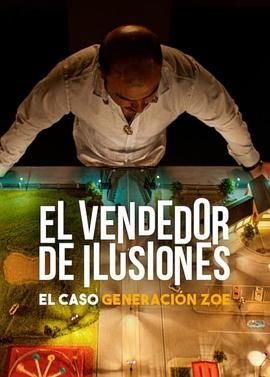
这部纪录片讲述了“佐伊世代”的兴起和垮台——这个精神指导网络背后隐藏着阿根廷历史上最不寻常的骗局
Follows the 2023-24 Dallas Cowboys Cheerleaders squad their auditions and training camp and finally the ending of the Cowboys season predictably ended in the NFC Wild Card Round.
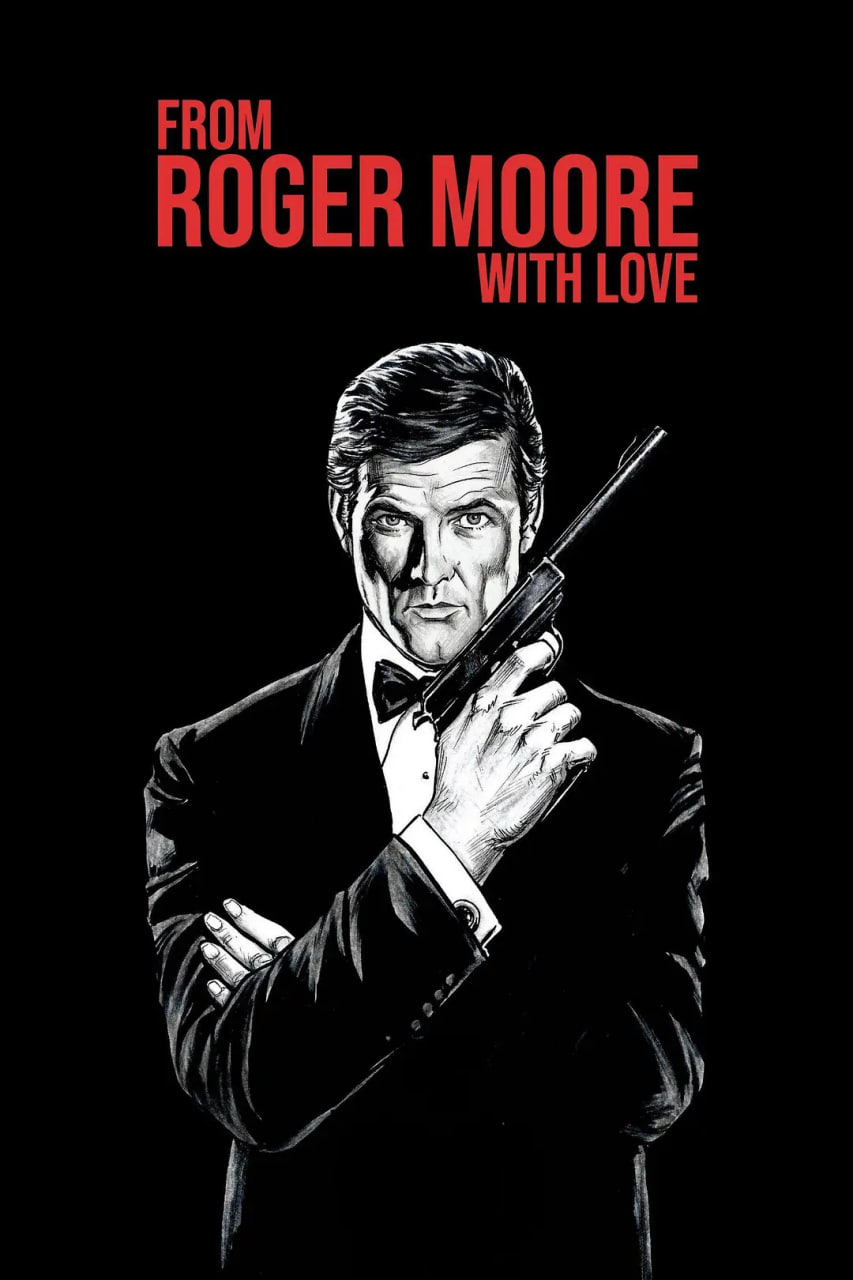
独家幕后花絮,带您了解魅力演员罗杰·摩尔的生活,他重新定义了詹姆斯·邦德的角色。
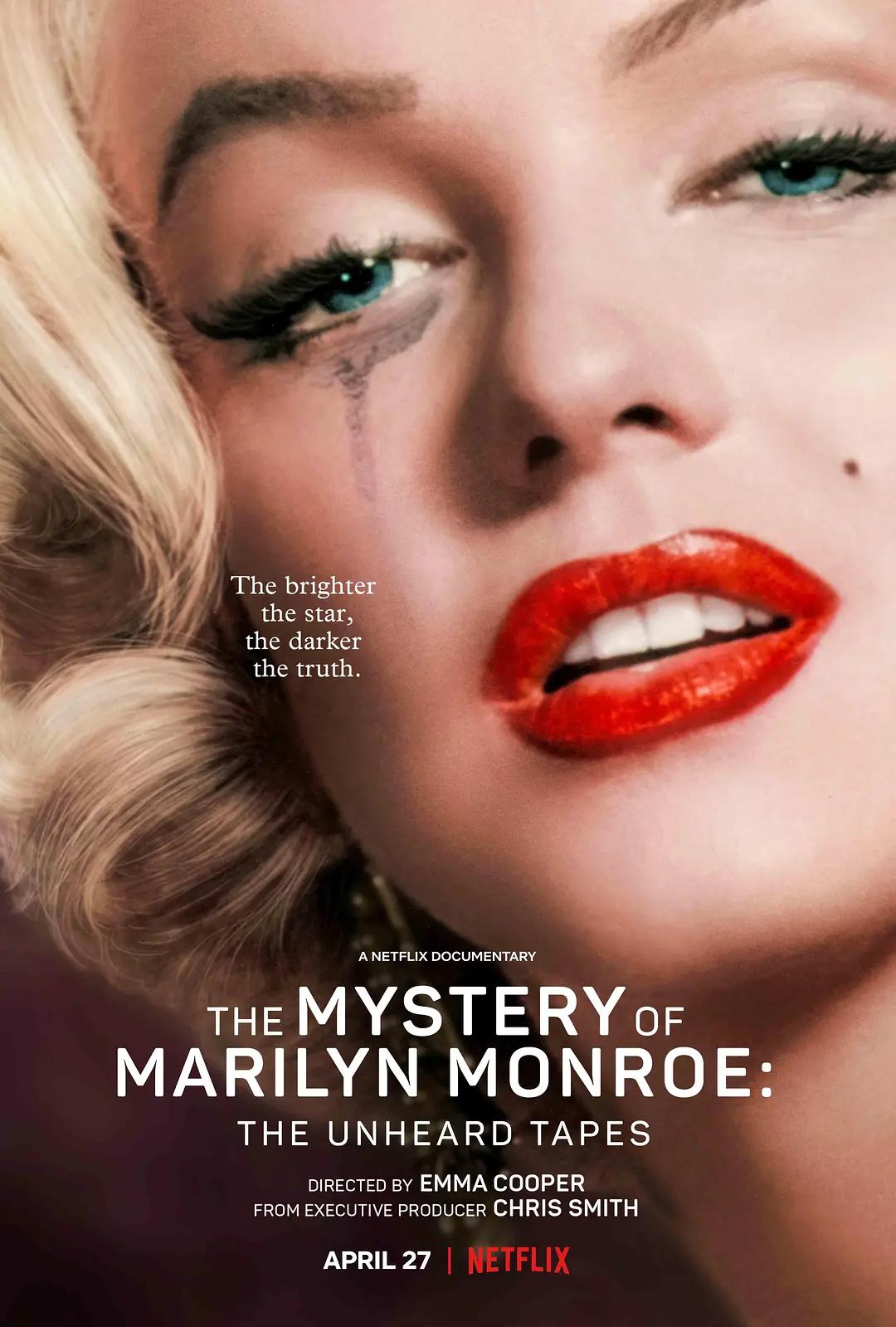
好莱坞巨星玛丽莲·梦露不幸逝世后,衍生出的阴谋论和谣言数十年来从未停歇,众人不再聚焦于她的才华与才智。本片收录梦露至亲的访谈,透过从未曝光的录音拼凑出她临终前几星期、几天、甚至几小时的时光,描述她光芒四射却又耐人寻味的一生,并以新颖的视角检视她的宿命之夜。
当年的潮人必备品!这部纪录片探索A&F在90年代后期及21世纪初所掀起的流行风潮,讲述该品牌如何凭借排他性而发展壮大
The Power of Emotion explains that emotion isn't to be confused with sentimentality. Emotion is ancient and more powerful than any art form. The film looks at young couples who run into difficulties as they try to translate their experiences of love into clear decision-making. A woman who has shot her husband provides a judge with a puzzle. Those who love can bring the dead back to life by means of co-operation. That's the focus of the opera, "The Power Plant of Emotions" and the "Opera of the 20th Century" cinema. Alexander Kluge: The Power of Feeling When I started working on The Power of Feeling, I was not in a rational state. I did not say, I have a subject and now I will make a film about it. Instead I was spellbound and observed in my direct surroundings, for example, how feelings move. I have not really dealt with the theme of my mother's death and the fact that she was the one who taught me "how feelings move." Nor have I dealt with how she died. That was an entire palette of feelings: "All feelings believe in a happy end," and everyone believes tacitly that they will live forever: The entire palette is somehow optimistic, a positive attitude towards life having been put on the agendaas long as she was young, as long as her body held out, from one day to the next she collapsed. She just suddenly collapsed, like in an opera where disaster takes the stage in the fifth act. It felt as if I had observed an air raid or a disaster. The film The Power of Feeling is not about feelings, but rather their organization: how they can be organized by chance, through outside factors, murder, destiny; how they are organized, how they encounter the fortune they are seeking.What is all this organization of feelings about? Generally feelings tend to be a dictatorship. It is a dictatorship of the moment. The strong feeling I am having right now suppresses the others. For thoughts this would not be the case. One thought attracts others like a magnet. People therefore need affirmation by other people to be sure about their own feelings (to counteract the acquisition of their feelings through outside forces). Through the interaction of many people, for example, in public, the various feelings also have a magnetic attraction to one another just like thoughts do. Feelings communicate through their manifestation in public. The cinema is the public seat of feelings in the 20th century. The organization is set up thusly: Even sad feelings have a happy outcome in the cinema. It is about finding comfort: In the 19th century the opera house was the home to feelings. An overwhelming majority of operas had a tragic end. You observed a victim. I am convinced that there is a more adventuresome combination: Feelings in both the opera and traditional cinema are powerless in the face of destiny's might. In the 20th century feelings barricaded themselves behind this comfort, in the 19th century they entrenched themselves in the validity of the lethal seriousness.